
Understanding Probabilities in Casino Games
At the heart of every casino game lies the intricate dance of probability. Understanding these fundamental principles is not about predicting the unpredictable, but rather about making informed decisions. Whether you’re at a physical establishment or engaging with online platforms like queenwin, a grasp of odds can significantly influence your gameplay and overall experience.

Probability in casinos is expressed as the likelihood of a specific outcome occurring. This can range from the chance of a roulette ball landing on a particular number to the probability of being dealt a specific hand in blackjack. Knowledge of these probabilities empowers players to choose games that offer better odds or to strategize within games where skill plays a role alongside chance.
The Role of House Edge
The house edge is a crucial concept rooted in probability that ensures casinos, including virtual ones such as Queenwin Casino, maintain profitability over the long term. It represents the casino’s average profit from each bet placed, expressed as a percentage of the initial bet. This advantage is not about cheating; it’s mathematically built into the rules of most casino games.
For instance, in roulette, the presence of the ‘0’ (and ’00’ in American roulette) creates a slight disadvantage for players, leading to a positive house edge. Recognizing the house edge for different games allows players to select those with lower percentages, thereby maximizing their potential playtime and reducing the inherent risk associated with gambling.
Strategies Based on Probabilistic Thinking
While no strategy can overcome a negative expectation in games of pure chance, probabilistic thinking can still be applied to enhance gameplay. In games like blackjack, card counting, though difficult and often discouraged, is a prime example of using probability to gain an edge. More practically, understanding basic strategy charts in blackjack, which are derived from extensive probability calculations, can significantly reduce the house edge.
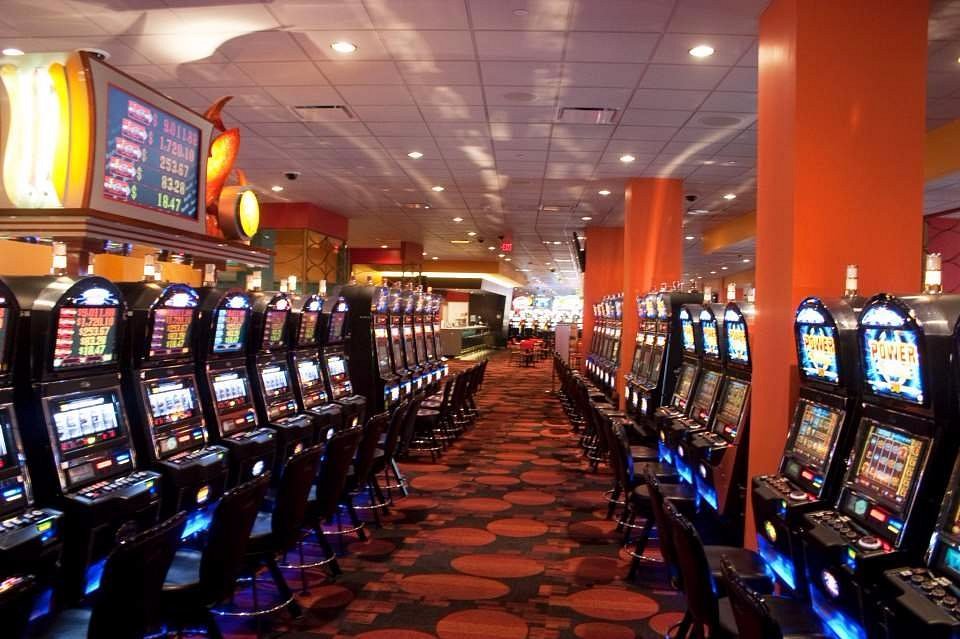
Even in games like slots, where outcomes are largely random, understanding payout percentages can guide players towards machines that offer a better return to player (RTP). This focus on probability allows players to approach Queenwin Casino or any other gaming platform with a more calculated mindset, moving beyond pure luck.
Chips as Tools for Probabilistic Management
In the context of casino chips, their value is not just monetary; they can also be seen as tools for managing probability and bankroll. How players allocate their chips across different bets and games directly reflects their understanding of risk and reward, which are intrinsically linked to probability. A player who understands the probabilities of different roulette bets will bet their chips more strategically.
Using chips effectively involves setting limits and making calculated wagers. For example, a player might decide to allocate a certain portion of their chip stack to a higher-risk, higher-reward bet based on their assessment of the probabilities, while reserving the majority for lower-risk wagers that extend their playing time. This disciplined approach to chip management is a practical application of probabilistic decision-making.
Exploring Queenwin Casino’s Probabilistic Landscape
Queenwin Casino, like any reputable online gambling platform, operates with a foundation of statistical probability. Understanding the inherent probabilities of the games offered, from slots with varying RTPs to table games with established house edges, is key to a rewarding experience. Players can explore a wide array of titles, each with its own unique probabilistic characteristics.
Engaging with Queenwin Casino responsibly means acknowledging these probabilities. Whether you’re playing for entertainment or aiming for strategic wins, being aware of the odds and the house edge in games like blackjack, roulette, and baccarat available on Queenwin Casino allows for more informed decisions. This knowledge empowers players to manage their stakes and enjoy the thrill of the game while respecting the mathematical realities at play.